If you price too high and hope the market catches up, your Sparks home can lose momentum fast. That is frustrating when you are already juggling moving plans, timing, and the question every seller asks: how much should I do before listing? The good news is that you do not need guesswork to move forward. With the right pricing strategy, smart prep, and a clear plan, you can sell with more confidence. Let’s dive in.
What the Sparks market means for sellers
Sparks is not a panic-buying market right now, and that matters when you set expectations. Current data points to a somewhat competitive market where homes are still selling, but buyers are comparing options and negotiating.
Redfin reports that Sparks homes sell in about 41 days on average and receive around two offers. Zillow shows 343 homes for sale as of March 31, 2026, a median sale-to-list ratio of 0.997, and a split where 24.7% of sales close over list price while 47.1% close under list price. Realtor.com reports a median listing price of $565,500 and 33 median days on market.
The takeaway is simple: accurate pricing matters more than aggressive pricing. In a market like this, you usually get better results by entering the market in the right range from day one instead of testing a number buyers may reject.
Price from comps, not wishful thinking
A confident list price starts with comparable properties, often called comps. According to NAR’s consumer pricing guidance, pricing should consider your home’s size, location, amenities, condition, upgrades, repairs, and current market conditions. Comps can include similar homes that recently sold, are under contract, or are currently active.
That last point is important in Sparks. Active listings show your competition, but closed sales show what buyers have actually been willing to pay. If nearby list prices are outpacing recent closed prices, leaning too heavily on active listings can put you at a disadvantage.
This is also why a local comparative market analysis matters more than a generic online estimate. With Sparks showing a spread between sale prices and listing prices across major portals, your pricing strategy should reflect the current competition in your segment, not just hoped-for appreciation.
What should shape your list price
Your pricing discussion should center on facts like these:
- Recent closed sales that closely match your home
- Pending sales that show current buyer behavior
- Active listings competing for the same buyers
- Your home’s condition and visible updates
- Lot, layout, garage space, and outdoor features
- The timeline you want to sell on
If you need a faster sale, NAR notes that pricing more competitively can help. You still have the final say on your asking price, but the strongest strategy usually balances your goals with what the market is actually rewarding now.
Prep the home buyers notice first
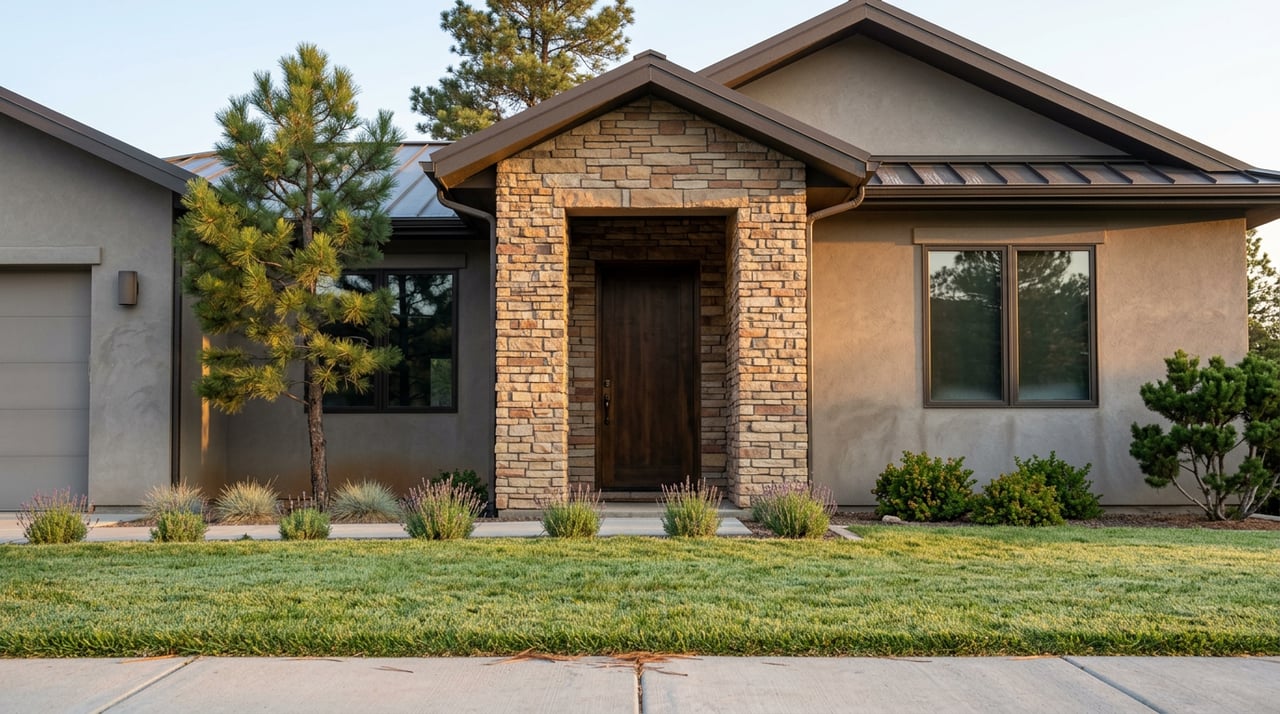
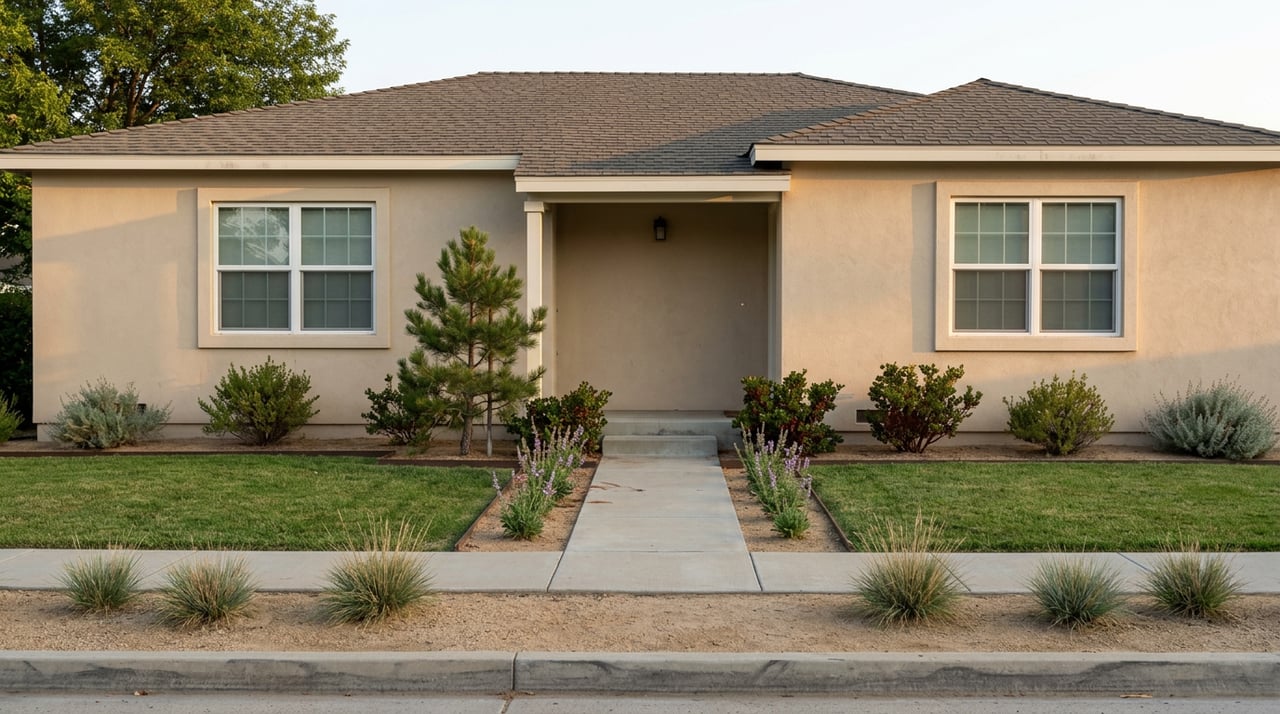
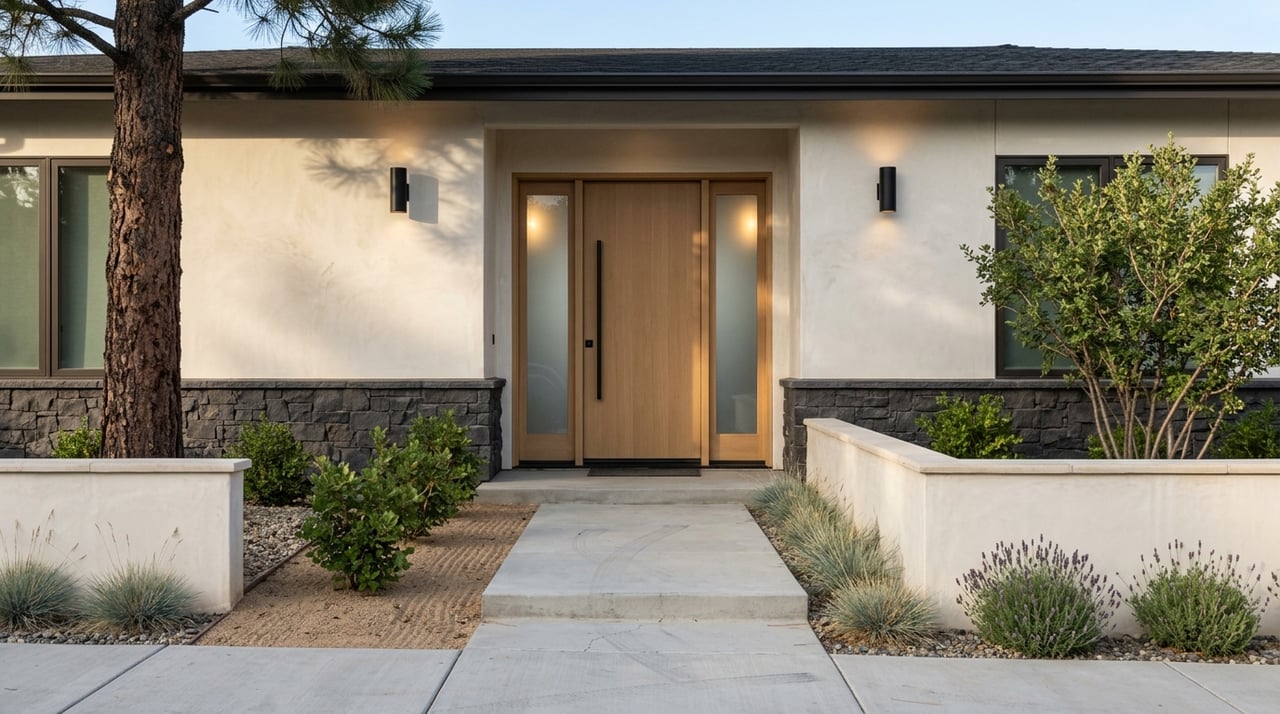
You do not need a full remodel to make a strong impression. NAR’s preparing-to-sell guidance says cosmetic updates are not required, but the basics matter: clean windows, carpets, lighting fixtures, and walls; store away clutter; and improve curb appeal with landscaping, the front entrance, and paint where needed.
In other words, start with the things buyers see right away. Visible wear, clutter, and deferred maintenance can make buyers wonder what else has been overlooked, even when the larger systems are fine.
A focused pre-list plan often includes:
- Deep cleaning the entire home
- Decluttering shelves, counters, and storage areas
- Depersonalizing key rooms
- Touching up paint where needed
- Cleaning or replacing worn carpet if necessary
- Re-grouting tile or handling small finish fixes
- Refreshing landscaping and the front entry
- Removing pets during showings
These are not glamorous projects, but they often have an outsized impact on how your home feels online and in person.
Stage where it counts most
Presentation helps buyers picture themselves in the home. NAR’s 2025 staging coverage found that 83% of buyers’ agents said staging makes it easier for buyers to visualize a property as their future home. Roughly 30% of real estate professionals also reported a 1% to 10% increase in home value from staging.
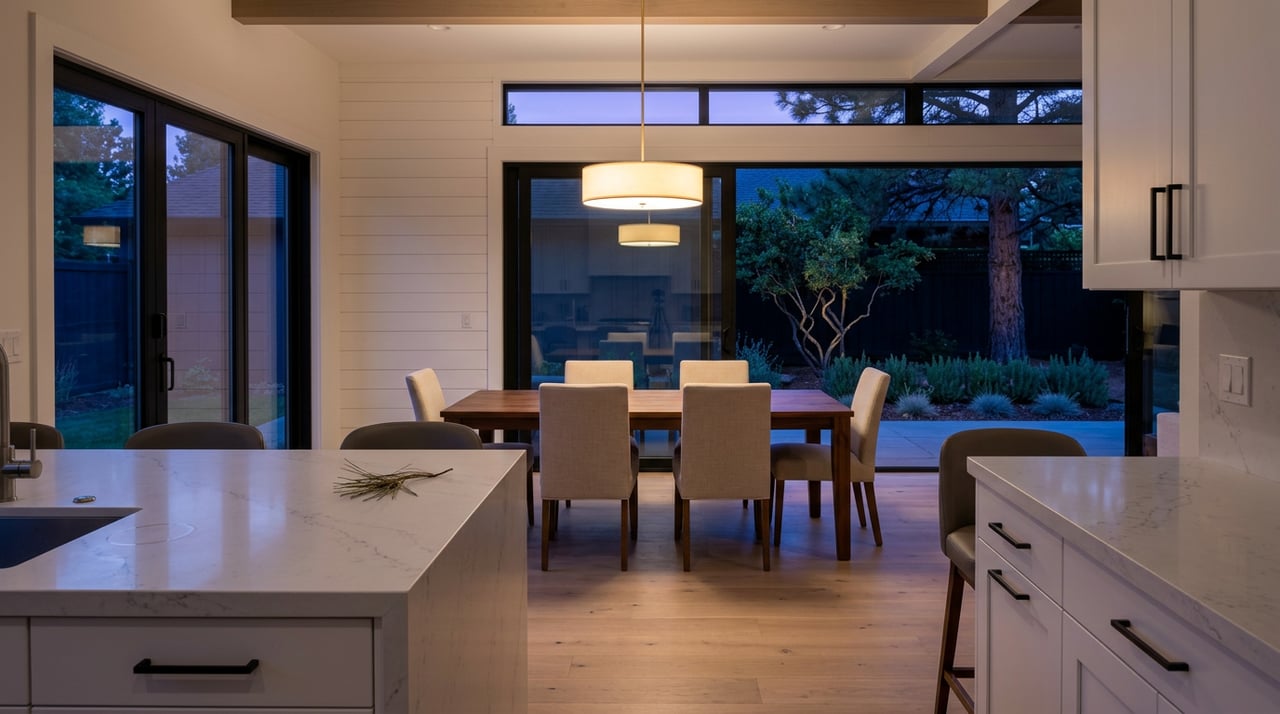
You do not always need to stage every room. The most important spaces to prioritize are the living room, primary bedroom, kitchen, dining room, and outdoor spaces.
A practical staging approach for Sparks sellers
If full staging is not the right fit, there is a middle ground. A lighter prep-and-style approach can still help your home show better in photos and in person.
Focus first on:
- Living areas with good natural light
- The kitchen and dining space
- The primary bedroom
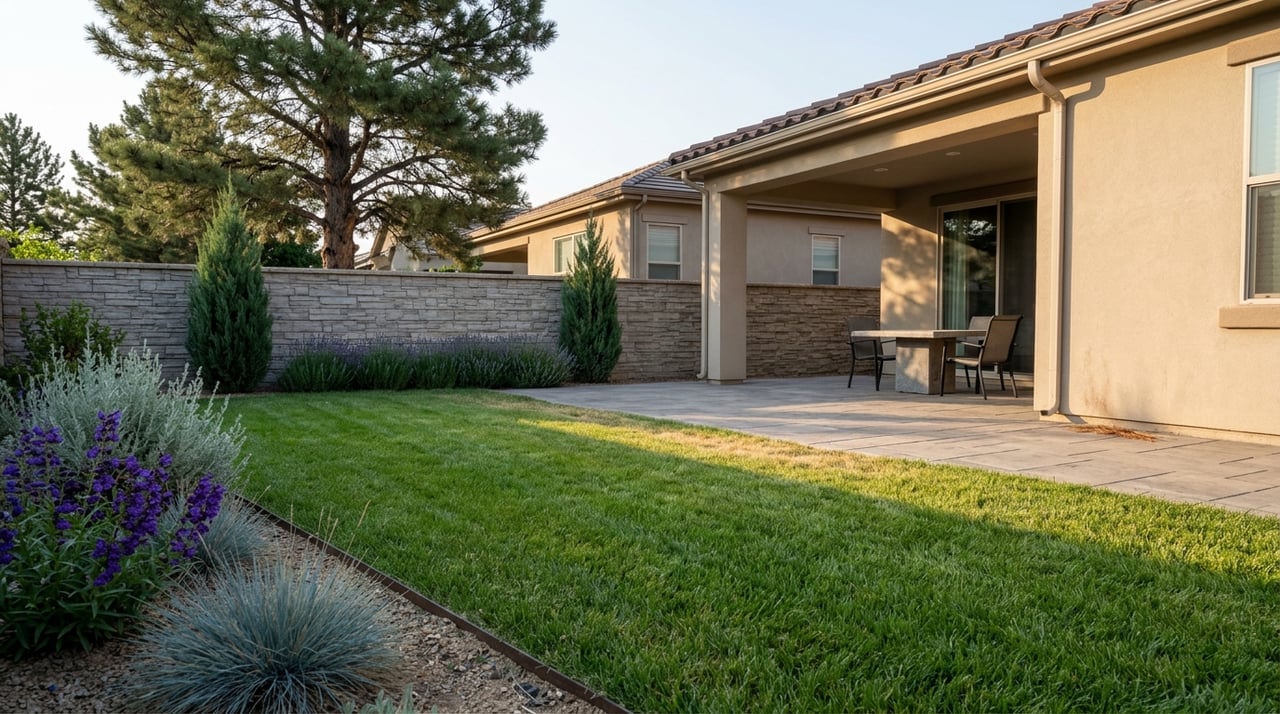
- Outdoor seating or patio areas
- Clear, open walkways and uncluttered surfaces
NAR reports a median staging-service cost of about $1,500, while agent-handled staging averaged about $500. Whether you do full staging or a lighter version, the goal is the same: make the home feel clean, open, and easy to understand at a glance.
Market the features Sparks buyers are already searching for
Local buyer search behavior gives useful clues about what to highlight. Realtor.com’s Sparks filters suggest buyers are actively browsing for features like garage space, energy-efficient homes, updated kitchens, fenced yards, low HOA dues, and virtual tours.
That does not mean every listing needs every feature. It does mean your strongest selling points should show up early in your photos, showing prep, and listing remarks.
For example, if your home has a two-car garage, updated kitchen finishes, or a well-kept fenced yard, those details should not be buried. If energy-efficient improvements or low HOA costs apply, they should be documented and presented clearly.
Photos and virtual media are essential
Most buyers will meet your home online before they ever step inside. NAR’s staging coverage identifies photos, traditional staging, video tours, and virtual tours as some of the most important listing elements.
In a market like Sparks, where buyers are sorting through options, strong visuals are not an extra. They are part of the strategy. Professional photos and virtual media help your home stand out and can increase the number of serious buyers who decide it is worth a showing.
Handle repairs and records before they become problems
One of the smartest pre-list steps is deciding what to repair, what to disclose, and what to price around. NAR notes that if a pre-sale inspection uncovers issues, you have time to repair them or account for them before the buyer’s inspection puts you on the spot.
That can make negotiations smoother later. It can also help you avoid rushed decisions once you are under contract.
You should also gather the paperwork that supports your home’s condition and updates. NAR recommends collecting warranties, guarantees, and manuals for appliances and systems that will stay with the property.
Check permits for major past work
If your home has older additions or meaningful upgrades, permit records are worth reviewing before you list. Sparks municipal code requires permits for most construction and alteration work, including many building, electrical, gas, mechanical, and plumbing changes. Some finish work, such as painting, tiling, carpeting, cabinets, and countertops, may be exempt.
For many sellers, this becomes important with projects like:
- Room additions
- Garage conversions
- Patio or structural work
- Major system replacements
- Significant plumbing or electrical upgrades
You do not need to overcomplicate this step. The practical goal is to gather records for meaningful improvements so you can answer buyer questions clearly and reduce the chance of surprises during escrow.
Understand Nevada disclosure timing
Nevada has clear seller disclosure rules, and it helps to prepare for them early. Under Nevada law, the seller must complete and serve the Seller’s Real Property Disclosure form at least 10 days before the property is conveyed, and the seller’s agent may not complete the form for the seller.
If a new defect is discovered after the form is served, or if a known issue gets worse, the buyer must be notified in writing before closing. The form is not a warranty, but it is a required part of the transaction.
The best approach is to give yourself enough time before listing to think through the property carefully, gather records, and be ready to disclose known issues accurately.
Plan for a multi-week sale, not a one-week miracle
Some Sparks homes still move quickly, but it is wise to plan around a realistic timeline. Current market trackers show different metrics, including about 15 median days to pending on Zillow, 33 median days on market on Realtor.com, and roughly 41 days on Redfin.
Those figures are not identical, but they point in the same direction. You should prepare for a multi-week launch and sales process rather than assuming your home will be gone after the first weekend.
That mindset helps you make better decisions about pricing, prep, photography, showing readiness, and negotiation. It also reduces stress because you are working from a plan instead of reacting to every day on market.
Selling confidently comes down to preparation
When you strip away the noise, most successful home sales in Sparks come back to the same formula: price from real comps, prepare the home buyers actually see, market the features people are searching for, and stay organized on disclosures and records. None of that is flashy, but it is what builds leverage.
That is where clear guidance and communication make a difference. If you want a sale that feels more organized and less reactive, a strong listing plan should help you decide what matters most before your home ever hits the market.
If you are getting ready to sell in Sparks and want a pricing and prep strategy built around your home, your timeline, and current market conditions, connect with Smith Real Estate Group. We are here to help you make your next move with clarity and confidence.
FAQs
How should you price a home for sale in Sparks, Nevada?
- The strongest approach is to price from recent comparable sales, current competition, your home’s condition, and your timeline, rather than relying on nearby active listings or an online estimate alone.
What home improvements matter most before listing a Sparks home?
- The highest-impact basics usually include deep cleaning, decluttering, paint touch-ups, carpet cleaning, curb appeal improvements, and minor visible repairs that buyers notice right away.
Is staging worth it when selling a Sparks house?
- Staging can help buyers picture the home more easily, and NAR reports that many real estate professionals see value gains from staging, especially in the living room, primary bedroom, kitchen, dining room, and outdoor spaces.
Do you need permits for past home improvements in Sparks, Nevada?
- Many construction, alteration, and system changes require permits in Sparks, so it is smart to gather records for additions, conversions, and major mechanical, electrical, or plumbing work before listing.
What disclosures do sellers need in Nevada?
- Nevada law requires the seller to complete and deliver the Seller’s Real Property Disclosure form at least 10 days before the property is conveyed, and any newly discovered or worsened defects must be shared in writing before closing.
How long does it take to sell a home in Sparks right now?
- Current market data suggests planning for a multi-week process, with reported metrics ranging from about 15 days to pending to around 33 to 41 days on market or to sale, depending on the source and measure used.